How to Start Practicing Mindfulness
Over the past year, the importance of mental health has become a common topic of discussion. With the rise of the ever-popular mindfulness app, people are looking for easier ways to cope with stress and find better focus on the tasks at hand. Luckily, being mindful is something that we already do. The trick is learning how to access it, so that you can benefit from it as needed.
How do you get started with mindfulness exercises? What can you expect from it? Is it really much different than exercising your body? Is a meditation workout worth your time? We break down everything you need to know about mindfulness so you can work on areas like anxiety, stress, staying in the present moment, and focusing your mind. Getting into the practice of mindfulness will help you and all those you interact with daily.
What is Mindfulness?
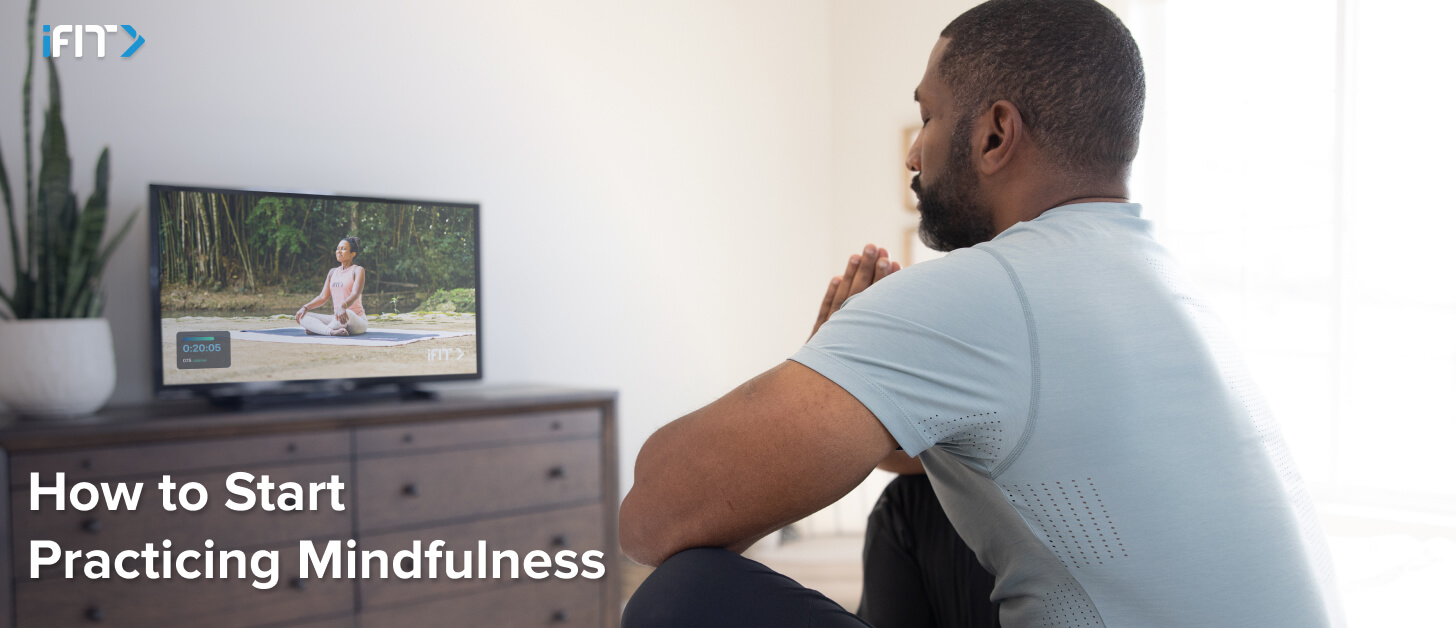
Mindfulness is a word we often hear, but what does it really mean to be mindful? Jeanne Mahon, Director of the Center for Wellness at Harvard University Health Services, describes mindfulness as “the practice of being aware of what’s going on in the moment.” That is the essence of mindfulness! Another important part of mindfulness, as Mindful Magazine notes, is to “not be overly reactive or overwhelmed by what’s going on around us.” Many of us live fast-paced lives, focused on everyday tasks to check off before the day turns to night. Maybe your day feels monotonous in this way as you go to work, come home, eat dinner, and prepare to do the same thing the next day.
Mindfulness exists as a tool to break us out of that autopilot headspace. Practicing mindfulness isn't learning something new. We are naturally aware of our surroundings and our place within them. However, it’s very easy to lose sight of that awareness when life happens.
At some point, many have felt that they were going through the motions or in a fretful “what-if” state of mind. Plus, mental health in the United States has become a significant concern. In 2020, COVID-19 fractured the normal lives of millions of Americans. According to Mental Health America, “The number of people looking for help with anxiety and depression has skyrocketed.” In the mix of all of this, it’s easy for people to feel distressed.
While not a cure, mindfulness exercises offer a way to improve your psychological health by bringing your mind to full consciousness. Learning how to embrace mindfulness can even have positive effects on your physical well-being. Here are some of the most important benefits that mindfulness exercises can provide.
Benefits of Mindfulness
Maybe you’re thinking, “Mindfulness seems too simple to be effective.” It is true that mindfulness is a simple concept. After all, self-awareness is not a new skill. You can stop and think about your body, what you’re doing, and where you are at any given moment. When you do this, you become fully present to answer questions like these. When regularly practiced with technique, you might be surprised by the impact that mindfulness has on your life.
Contributes to Better Psychological Health
One of the most prominent benefits of mindfulness is its profound effect on mental health. We live in a fast-paced society, where working, eating, and moving quickly are praised. Because of this, it can be challenging to wrap your head around slowing down. However, that is precisely what your mind needs. Just like your body after a workout, your brain also needs recovery time. When was the last time you were able to truly slow down? For some, it only happens on rare occasions.
A recent mindfulness study concluded that mindfulness “brings about various positive psychological effects, including increased subjective wellbeing, reduced psychological symptoms and emotional reactivity, and improved behavioral regulation.” This means that engaging in mindfulness exercises, like meditation, can genuinely improve your mental health.
Psychotherapists often employ mindfulness techniques in treatment plans, helping clients learn how to manage their anxiety, depression, obsessive-compulsive disorder (OCD), and much more. By helping clients turn their thoughts away from potentially negative or harmful thinking, mindfulness acts as a skill they can regularly rely on to promote better psychological health.
Easy to Access and Cultivate
Mindfulness isn’t like learning a new physical exercise. It takes just a few minutes to discover a wealth of valuable techniques to employ whenever you’d like. Mindfulness is accessible to anyone willing to devote time to themselves! It can be cultivated without feeling as though you need to change something about yourself. It’s about becoming more self-aware and allowing yourself to truly connect with your humanness.
Mindfulness is also about learning to refrain from judgment. For example, it’s common for people to reprimand themselves for letting their minds wander away from a task. Mindfulness is easy to integrate into situations like these, as you would redirect your mind to focus on body sensations to return to the present moment. For mindfulness exercises to truly work, you must become comfortable with being forgiving and kind to yourself.
Improves Physical Health
There is a direct link between your mental and physical health. When you’re struggling mentally, your body begins to show signs of that stress. Stress increases cortisol levels, which can be detrimental to your long-term health. While it works as the body’s alarm system, cortisol is triggered by stressful events. Unfortunately, the body cannot distinguish between life-threatening events and less serious issues, like monthly bills. Stress is stress to our bodies, and with that stress comes upticks in cortisol levels.
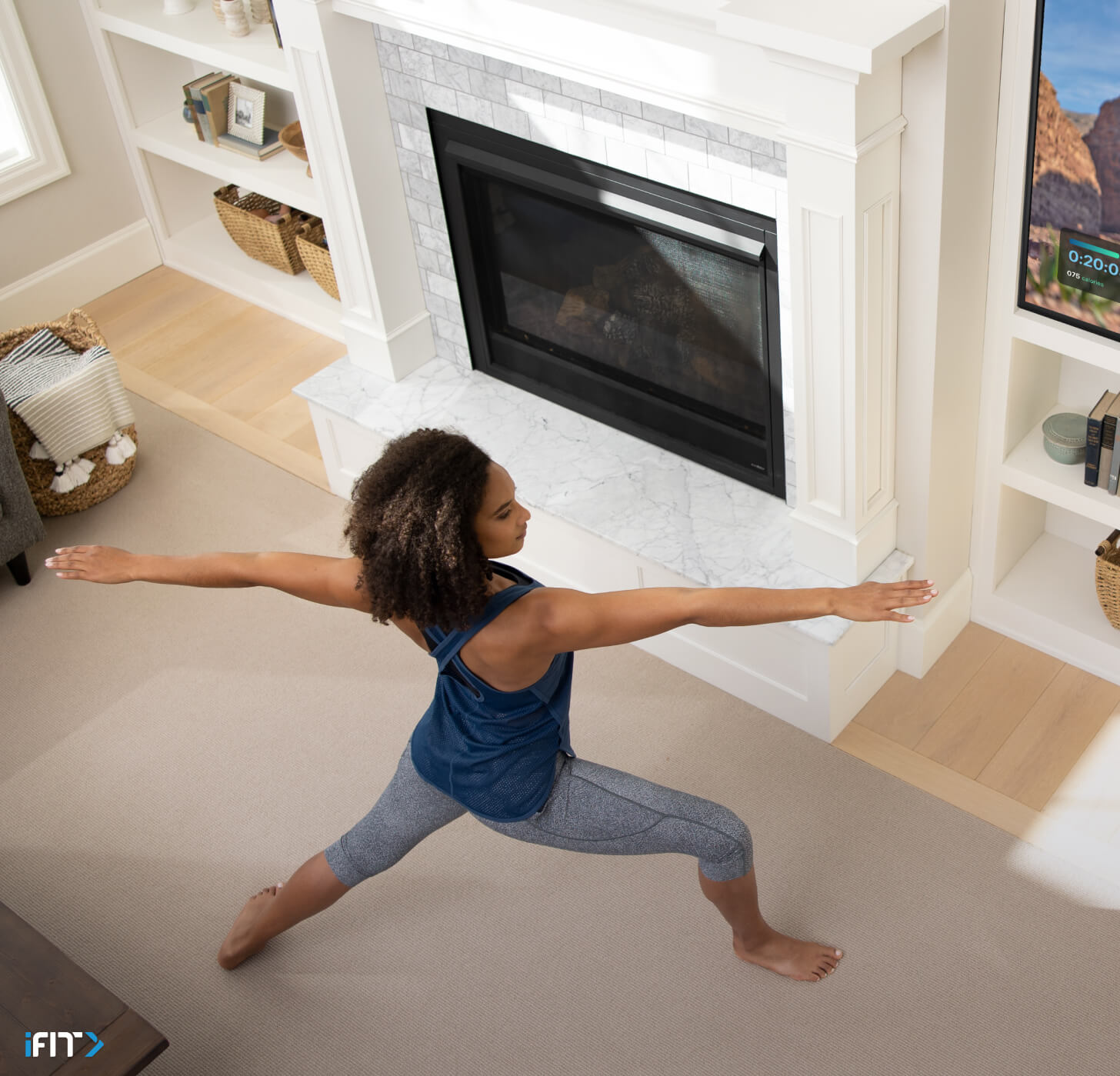
Fortunately, stress doesn’t have to take control of your life. Mindfulness exercises can help improve your physical health by reducing high cortisol levels. This can have a considerable impact on your life, especially if you experience high-stress situations regularly. Even a short, 15-minute meditation class can have lasting positive effects on your stress levels.
It can also help by lowering your blood pressure, improving sleep, and relieving gastrointestinal issues. These are just a few problems that mindfulness can positively affect. As you work to calm your mind and focus on the present, you can allow yourself to relax more frequently, keeping your stress low.
Allows You to Live in the Present
While it’s often said to live in the moment, it can be challenging to do so with intention regularly. We all worry about different things—family, work, finances, the country, or even the world. It’s almost impossible to live in the present when you’re caught up in the “what-ifs” of tomorrow! Mindfulness exercises call you to become fully aware of your body in the now. During this time, you might notice your breathing or the feeling of the floor under your feet.
Living in the future detracts from life in the present, which is crucial to your overall well-being. By practicing mindfulness, you can better understand your body in the present. How you’re feeling and what you’re doing today matters so much more than spending time planning for things to go wrong in the future. This is not to say to only live in the present, but instead not to allow yourself to rush your today for tomorrow.
Cuts Down on Distraction and Unhelpful Rumination
People can become distracted from their loved ones and career when the mind is unfocused. There are two types of distraction: internal and external. These can derail your day-to-day life, especially if you find yourself becoming distracted often.
Have you ever obsessively thought about something to the point that it became a distraction? Maybe you felt worried over a future decision or your ability to excel in a certain situation. Rumination, while it can be useful, can often become unhelpful. As an internal distraction, negative rumination is a bit more complicated to bring yourself away from. Practicing mindfulness will give you the ability to recognize what you’re doing and, without judgment, direct your thoughts to the present moment. While it may take practice, this will help you become less prone to allowing yourself to ruminate on negative events.
External distractions are much easier to distance yourself from. Popular media, like Facebook or TikTok, offers an avenue to shut off the mind. When there are stressors present (like a large project at work or a recent argument with a loved one), phones, TVs, and computers offer convenient ways to take your mind off your real problems. Mindfulness can help you refocus your mind so you can address your stressors, instead of avoiding them.
Easy Ways to Begin Mindfulness Exercises
With just a few spare minutes a day, you can begin practicing mindfulness exercises. There are several different types of exercises that will help you feel more relaxed and fully conscious. Try these mindfulness exercises out at work, before bed, or in other situations when you feel the need to slow and recenter the mind.
Mindfulness Meditation
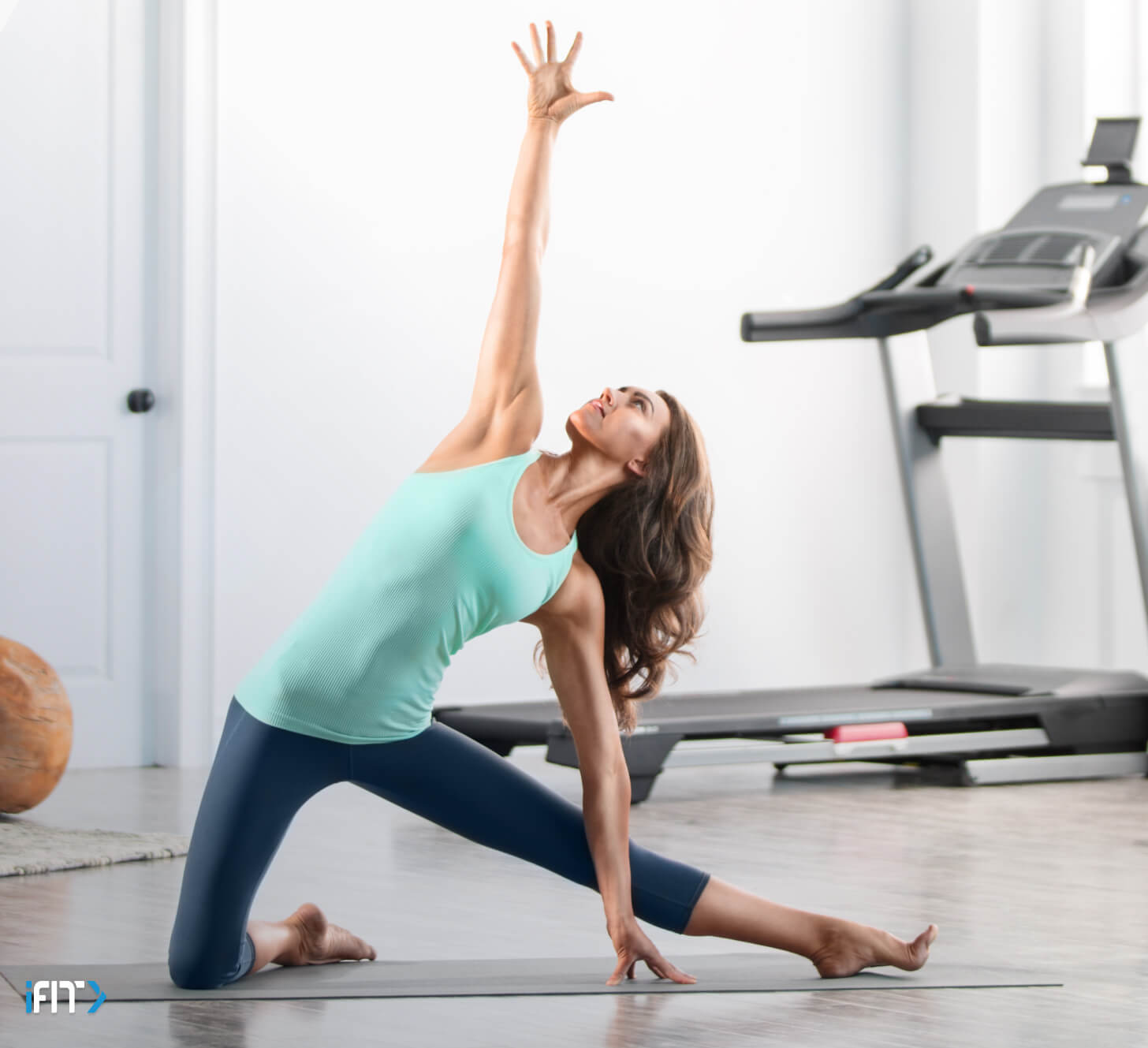
Meditation is a formal way of practicing mindfulness. It requires intent and takes a bit more commitment than simply bringing your attention to everyday things, like the smell of a cup of coffee or the feeling of your pet’s fur. However, meditation exercises can provide a sense of serenity that leaves you with a clearer mind.
One of the best ways to step into meditation is by focusing your attention on your breath. Breathing exercises are a great way to quickly regulate your emotions, stop rumination, and help yourself concentrate when an undesirable situation occurs. While there are different ways to do these meditation workouts, here’s one you can begin with.
Find a quiet place to sit in a comfortable position. With your eyes closed, focus your mind on your breathing as the air passes through your nose. Release any tension you notice in your body and allow yourself to relax. Notice how your body feels in this moment as you continue to breathe. If your mind wanders, recognize that it is natural to do this and redirect it back to your breathing. Stay in this moment for five minutes, focused on the natural flow of your breath.
Grounding Techniques
There are many different kinds of effective grounding techniques that direct your mind to the present. If you’re feeling distressed, these techniques help you move away from negative thoughts back to what’s going on in the present moment by using your five senses. Here are a few you can add to your mindfulness exercise playbook.
1. The 5-4-3-2-1 method
Using your senses, begin by looking around the space you’re currently occupying. Name five things you can hear, four you can see, three you can touch, two you can smell, and one you can taste. These things do not need to be special—paint colors, cabinet hardware, and even desk supplies will suffice.
2. Place your hands in water
Head over to a sink and place your hands in the water. Notice the temperature and how it feels from your fingertips to your palms and the backs of your hands. Switch up the temperature and repeat the process.
3. Recite an anchoring phrase
These phrases can be quite simple, with something similar to, “My name is Jane. I live in Los Angeles, California. Today’s date is Friday, July 2. I am lying on my couch.” You can add more to these anchoring phrases with further details. Describe the day’s weather, what your plans are, or if you’re feeling hungry or thirsty.
4. Touch something comforting
When feeling distressed, touch something that feels good to you. Maybe you have a favorite shirt, ring, necklace, or other items that help you feel calm. Notice how you feel when you touch your chosen item. If you can, try to keep a favorite item or texture with you at your desk or on the go.
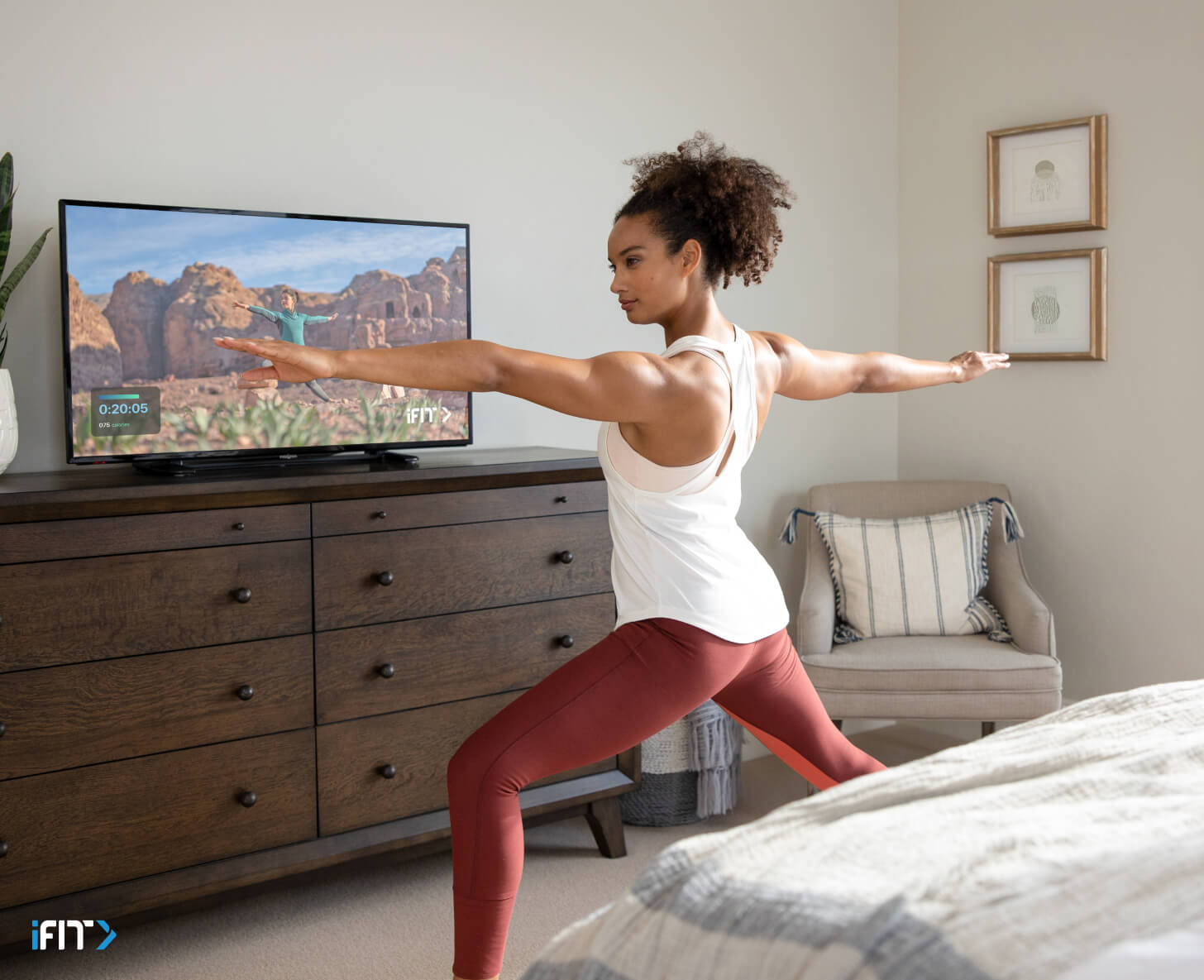
Try an iFIT Mind™ Workout Series
While the above mindfulness exercises are incredibly useful, you might feel that you’re interested in exploring this practice more in depth. That’s where iFIT Mind™ can be a game changer for your mental well-being. That’s right—iFIT isn’t just a physical fitness app!
As our newest workout category, iFIT Mind™ offers an array of holistic, interactive workout series led by expert personal trainers and guides. These can be done in your home gym so you feel comfortable and willing to begin the journey to bettering your mental health. Our mindfulness workout series are designed to help you make meaningful, sustainable changes in your life that not only impact you, but those around you.
Not sure where to start? Consider these mindfulness workout series:
- Breathwork Series
- Costa Rica Sound Bath Series with iFIT Trainer Thalia Ayres Randolph
- Anxiety: Work it Out Series with iFIT Guide Dr. Jarrod Spencer
- Mood Food: Nutrition For Your Mind with iFIT Guide Dr. Eva Selhub
- Panama Meditation Series with iFIT Trainer Faith Hunter
These mindfulness classes promote whole body well-being over time with practice. Your personal trainer and guide will give you the mental tools to pull yourself into the present and become fully aware of your surroundings. Best of all, you can use these workout series as your daily home workout. Each mindfulness class offers a unique, refreshing experience, so give them all a shot!
Start an iFIT Mindfulness Workout Today
There’s almost nothing better than having a motivating workout partner to hold you accountable. When you’re ready to begin creating lasting change for your mental health, our meditation app is there to help you along your journey! With iFIT, you have complete access to our massive Workout Library with meditation classes to exercise your mental fitness. While some of these mindfulness series consist of walking workouts, others feature restorative yoga classes, tranquil meditation exercise techniques, and even sound healing.
Disclaimer: This blog post is not intended to replace the advice of a medical professional. The above information should not be used to diagnose, treat, or prevent any disease or medical condition. Please consult your doctor before making any changes to your diet, sleep methods, daily activity, or fitness routine. iFIT assumes no responsibility for any personal injury or damage sustained by any recommendations, opinions, or advice given in this article. Always follow the safety precautions included in the owner’s manual of your fitness equipment.
You might also like

How to Stay on Track with Your Workouts
Congratulations! If you find yourself reading this, then you have successfully completed the first step toward a healthier and more dynamic you. As you embark on a new journey to a healthier lifestyle, it's important to realize that you not only need to, but want to make a change. Keep in mind that staying on track with your workouts is as much a physical challenge as it is a mental challenge. Now, ask yourself, are you committed? Remember, mind over matter—your goals are never out of reach. Check out these tips from our iFit trainers to help you stay on track with your workout routine. Gideon Akande The time of year for reflection and rededication is upon us, and personal fitness is at the forefront in the minds of most. Whether this is your first rodeo or you’re an experienced athlete, here are my 5 top tips to improve your exercise excellence. Start somewhere. It doesn’t matter what you do, just MOVE! You can fine-tune the process at a later time, so start with the most convenient forms of exercise for you. Take it easy. Rome wasn’t built in a day; neither was your body. There is no need to feel like you must complete your goals in the first week. Build slowly and gradually to remain safe and feel accomplished. Switch gears. Fitness is a very personal journey. It is not necessary to only follow one discipline to see results. Therefore, try it all! You’ll be surprised at what your body best responds to, but, more importantly, what you may enjoy. Posse up. Studies show that success rates improve dramatically when you surround yourself with others that share similar goals. Join forces with family, friends, and coworkers to develop accountability that will push you further, longer. Rest for your best. Recovery is essential for you to feel and perform better. Stretch, massage, and sleep are great ways to increase energy, boost metabolism, and fuel your next sweat session. You can train with Gideon on any iFit-enabled equipment all around the world and in the studio! Follow Gideon on Instagram @getfitwithfgiddy Follow iFit on Instagram @ifit Breeanna Cox Here are my tried-and-true tips for staying on track! Set realistic goals. Break up your activity into small tasks each and every day, so it's not so intimidating. Try incorporating 30 squats 3 times a day into your routine, and then build up from there. Hold yourself accountable. Tell friends, family, or your spouse what your goals are, so you've officially put your goal out to the world. This will help ensure that you follow through with your fitness plans. Love your workouts. Don't follow fitness fads or trends—do what you find enjoyable, so that you look forward to your workouts instead of dread them. Have a clear purpose. Identify what it is that's driving you to stick to your goal. Why do you want to be more fit? Once you figure out your motivation, write it down and post it everywhere you can see it! You can train with Breeanna on any iFit-enabled treadmill and elliptical! Follow Breanna on Instagram @bodybybree2 Follow iFit on Instagram @ifit Elyse Miller We all get a little off track from time to time. The best way to stay on track is to make fitness a top priority. Schedule your workouts. Plan your workouts as if it’s an appointment with someone else. You wouldn’t want to cancel out on a hair or doctor appointment, so don’t ditch out on yourself. Set a time and follow through. Prep your gear. I lay my workout clothes out at night, so I see them waiting for me first thing in the morning. Having that reminder staring at you in the face as soon as you wake up makes it harder to skip out on your workout. Early bird gets the worm. I’ve found that early workouts are great for those with busy schedules. Rather than putting it at the end of the day, when a million other things can get in the way, I recommend waking up 30–60 minutes early to get your sweat on. Keep it at home. Having workout equipment at home is a major game changer, too! Taking out the commute and hassle of a gym saves so much time and eliminates excuses. Make it a lifestyle. Exercising your body should be as routine as brushing your teeth. Make it a non-negotiable. Even on your “off days,” it’s good to schedule in some body work time—stretching, foam rolling, or planning for the next workout. You can train with Elyse in Bora Bora and in studio classes on any iFit-enabled treadmill! Follow Elyse on Instagram @fitelyse Follow iFit on Instagram @ifit John Peel Sign up for a program. If you are just beginning your fitness journey or looking for a routine to get you back in the game, the iFit Alps Incline Series is the perfect program! This 6-week plan will ease you into a structured workout regimen and also give you the push and climb you need to hit some challenging progressions. Not only will you sweat, but you will experience the most beautiful location I think we've filmed at to date. The Alps are breathtaking. They are even more breathtaking when you witness them from the summit, after crushing a workout! Hydrate, hydrate, hydrate. Dehydration can lead to a lack of energy and increased heart rate—both will make your workouts much more challenging. I like to drink two cups of water as soon as I wake up. It's an easy change to make to your morning routine, but it makes a big impact. #100aDay. Since having back surgery, I've set a personal goal of doing 100 ab rollouts each day. A strong core means more stability, improved performance, better posture, and also leaves you less susceptible to fitness-related injuries. Set a goal that doesn't take too much time out of your day. That way, you'll have no excuses not complete it! You can train with John on any iFit-enabled equipment, all around the world and in the studio! Follow John on Instagram @johnpeelefitness Follow iFit on Instagram @ifit The first step to fitness success is believing you can do it. Staying on track is the hard part, but with small changes in your mindset and daily routines, you can make a lasting impact in the long run. You only have one body, so make sure you nurture it and give it the attention it deserves! Here's to a happier, healthier, and more dynamic you. You deserve it.
January 9, 2019

NEW ROUTES : EVEREST
Add another check to your bucket list without spending a dime. Khumbu Region Google just released the first-ever Street View images for Mount Everest, located in the Mahalangur section of the Himalayas on the border of Tibet. And while you may not be able to climb to the summit of this amazing peak, you can explore the Khumbu region of Nepal in the mountain’s shadow and Mount Everest's base camp. The Program Our Mount Everest workout program will push you past your limits. If you’re ready to take on a new challenge, then get ready to hike over 71 miles and climb more than 19,000 vertical feet in just 20 workouts. This grueling program is not for the faint of heart, because you will be required to ask more from yourself. But let me tell you, the views are absolutely worth the work. And just remember, when the going gets tough, at least you aren’t carrying a pack on your back. To join us, add the program on iFit, jump on your iFit-enabled equipment and enjoy the workout as your machine will show Google Street View ™ all along the way, while automatically adjusting the incline/decline to match the outdoor terrain. Yak Parking Lot in Namche Bazaar, Nepal Descent from South Base Camp Everest South Base Camp Everest Base Camp - Climber's Memorial Your Journey Through the misty air and lush terrain, you’ll start your journey at the Tenzing-Hillary Airport, located in Lukia, Nepal. And with the program being all trail, you’ll wander through small towns, seeing a way of life completely different from your own. As you follow other fellow backpackers, don’t be surprised to pass some pack mules along the way that you’ll wish were carrying you. Continuing on your journey, you’ll trek through multiple cities as you head towards the mountain. From Phakding to Benkar, Khumjung to Panboche, and all the way to Thame, you’ll wind past monasteries, lodges, and schools, gaining an appreciation for the lifestyle in this beautiful region. You’ll see more than just the drizzling weather you begin in, as sunshine and desert-like landscapes cover much of the landscape with snow-capped mountains in view. Your expedition ends in Gorak Shep, a frozen lake bed covered with sand in Nepal. Now all that’s left to do is join the program, stretch your legs, and get ready for inclines and views that will take your breath away! iFit Trainer Emily Wiley Suggested Workout MOUNT EVEREST Climb over 19 thousand feet to Everest Base Camp. WARNING: This post is not intended to replace the advice of a medical professional. The above information should not be used to diagnose, treat, or prevent any disease or medical condition. Please consult your doctor before making any changes to your diet, sleep methods, daily activity, or fitness routine. iFit assumes no responsibility for any personal injury or damage sustained by any recommendations, opinions, or advice given in this article.
April 2, 2015
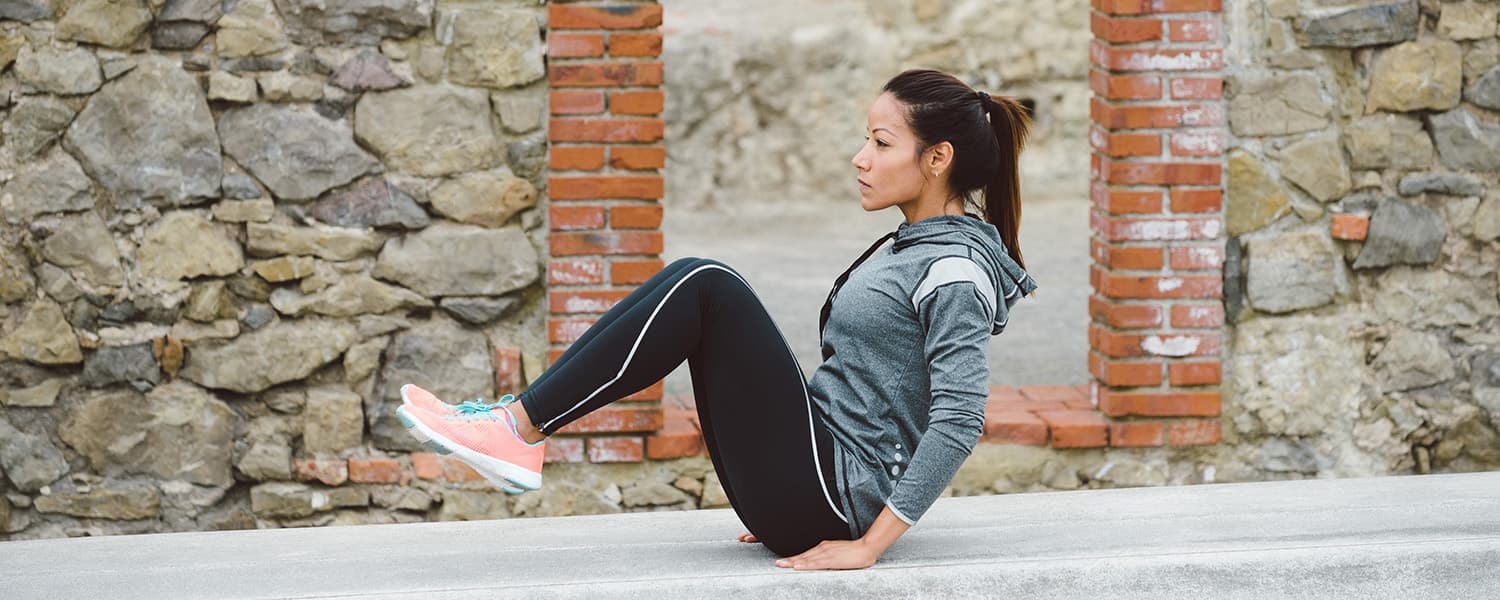
5 Ab Moves You Haven't Tried Yet
Move: Stir the Pot Equipment: Suspension cables (shown: Rip60) How to: Lengthen the cables to hit just below your knee. Sit, facing towards them. Place your right foot in the left strap and left foot in the right strap (feet should be crossed), then twist around, pushing up into plank position (this will uncross the straps). Draw a large circle with your feet. Alternate directions at the bottom of each circle. Pro tip: Keep your shoulders right above your wrists, and be careful not to let your hips drop towards the floor. Your back should be straight. Move: Plate Pass-throughs Equipment: Plate (shown: 10lbs) How to: Lie flat on your back. Hold the plate behind your head with arms outstretched. Lift both feet about six inches off the floor. Tuck in your arms and knees, place the plate on your shins, then extend both your arms and legs back out. Pro tip:Keep your lower back flat on the floor without arching it. During the crunch portion, pull your knees in tightly to your chest, and focus on using your abs. Move: Low Plank Variation: Knee Taps Equipment: None How to: Begin in a forearm plank. Alternate tapping one knee to the floor at a time to target your lower abs. Pro tip: Focus on tucking your hips under and think about the muscle group being worked as you complete the movement. You can also combine this with other plank variations for a challenging core workout. Move: Leg Lift Reverse Crunch Equipment: None How to: Begin on your back, hands behind your head and feet about six inches off the floor. Raise your legs to point towards the ceiling, then crunch your knees to your chest. Straighten them back out, then slowly lower your back to the starting position for one rep. Pro tip: Be careful not to let your back arch. You can place your hands at your sides to make the movement a little easier. Move: Breakdancer Equipment: None How to: Starting in high plank, thread your right leg to the left side of your body, lowering until your thigh comes in contact with the floor (or as far as flexibility allows). Repeat on the opposite side with a jump in between. This movement should be performed as quickly as possible without losing form. Pro tip: If you’re just starting out, you can return to plank position between each side. As you become more advanced, skip this step, and propel yourself from side to side. This movement doubles as a great cardio workout! Move: Gymnast Tuck Equipment: Plyo box How to: Begin sitting on a box. Place your hands close to your sides on the edge, with your fingers facing forward. Press up and pull your hips back and away from your seat, keeping your legs straight. Hold this position as long as possible before lowering back down. Pro tip: This is a static move, so practice holding it for longer each time you do it. Focus on sucking your belly button in and pulling your hips backward to create the most space between you and the box. iFit Trainer Emily Wiley WARNING: This post is not intended to replace the advice of a medical professional. The above information should not be used to diagnose, treat, or prevent any disease or medical condition. Please consult your doctor before making any changes to your diet, sleep methods, daily activity, or fitness routine. iFit assumes no responsibility for any personal injury or damage sustained by any recommendations, opinions, or advice given in this article.
February 8, 2016